

“See that tree line on the ridge up there?”
I shade my brow with one hand and squint into the late afternoon sunlight to look, our last afternoon in daylight saving time. Tomorrow morning we’ll wake to an earlier sunrise and a shorter day.
“Yep.”
“Now look to the right. See where the trees are missing?”
Against the fiery orange western sky, the ridgeline hovers like a balding head where a naughty child has run amok with electric clippers and then shaved one spot completely bare.
“Oh, yep.”
“Tornado damage. There’s another one over there.”
I crane my neck and turn my head sharply to the right to see it.
“Jesus.”
“And over there is where we took the Jeep to ride out the storm, in that parking garage.”
I nod and tell him, “I was on pins and needles all day worrying about you two.”
Now I am riding shotgun with my adult son, and we are on our way to pick up supper for everybody waiting on us back at his new place. David and I have driven over to Asheville from Wilmington for a few days for a visit we planned long before Helene became bloated and obnoxious, insinuating herself across an enormous swath that damn near swallowed all of Appalachia. The reservation we made at the little bed and breakfast we love, just north of Biltmore Estate in Asheville’s hospital district, is no good after the house was severely damaged by wind and trees. Not to worry, we tell the couple who own it. Hang on to our deposit—we’ll be back after you’re back.
The next day when we drop off several loaves of bread for them we brought from the bakery, we’re gobsmacked by the massive trees, fresh sawn into large sections and piled across the front lawn. It is tough even to navigate our way into and out of the circular drive.
So instead, we’re sleeping on an air mattress on my kid’s living room floor. It is not the worst nor the best arrangement. Importantly, I get to spend several unfettered hours alone with him, he who seems to have quite a lot to unpack, and I mean figuratively. By the time we arrive in Asheville, he and his pal have already fairly well settled into their new place; David spends one morning repairing a piece of furniture that was damaged in the move, but other than that, mainly there is art to hang and window treatments to consider. Not much else.
Above all, there is power, potable water, fresh paint on the walls, and a bucolic landscape that stretches beyond the back deck. It is a peaceful landscape in sharp contrast to the hell that just savaged the region.
“You got lucky,” I tell him. He nods in agreement.
The next day we will drive into town to survey the damage in the worst hit areas, by design. There is so much my son wants me to see. I want to see it too, but I know the seeing of it will be soul crushing, and it is.
Asheville seemed a logical destination for my young man to settle a few years ago, after he’d officially fledged. During all of his childhood, from birth, the Western North Carolina mountains were our playground. We rented a home for a time in Highlands, and then later bought and renovated one.
But Asheville was a destination, too. Sometimes just for the day, because its proximity to Knoxville allowed this. Sometimes we made a weekend of it, and stayed near the Biltmore (because that was our main objective on these visits), sometimes on the property itself once the new hotel was built, and another time at the historic Grove Park Inn.
Mostly, these were magical days. But then after our family came unglued and our house in the mountains was sold on the courthouse steps to settle a tax debt, the rest…. Well, I rebooted my life and so did my kid’s dad and then glorious Western North Carolina disappeared in the rear view.
But Asheville has remained a special city to me and even served as a rendezvous for us, for David and myself, and for my son, during vacation travel from Vermont over the last decade. It’s more accessible now that we live out on the North Carolina coast.
Ironically, after my kid decided to make Asheville his permanent home, he grew not more enamored of it, but less.
“It’s not like what you see when you come here as a tourist,” he once opined to me. “Nobody understands how to manage a business,” he insists. “There is rampant homelessness, and the cost of living is off the charts.” He experienced this at close range during his time working at various pharmacies in town, even establishing a rule at one of them where the toilets would no longer be accessible to the public, attractive as they were for nefarious goings-on.

Still, after Helene, after taking leave of the city to the safety of his dad’s place in Knoxville, there to soul search, he decided not to abandon Asheville but to return to it, hopeful in the long run the tragedy of the storm will actually help restore this charming mountain hamlet and artists’ haven to a version of itself that existed before Covid, before corporate entities moved in and drove up the cost of housing there.
At least, that is his version of the reality there.
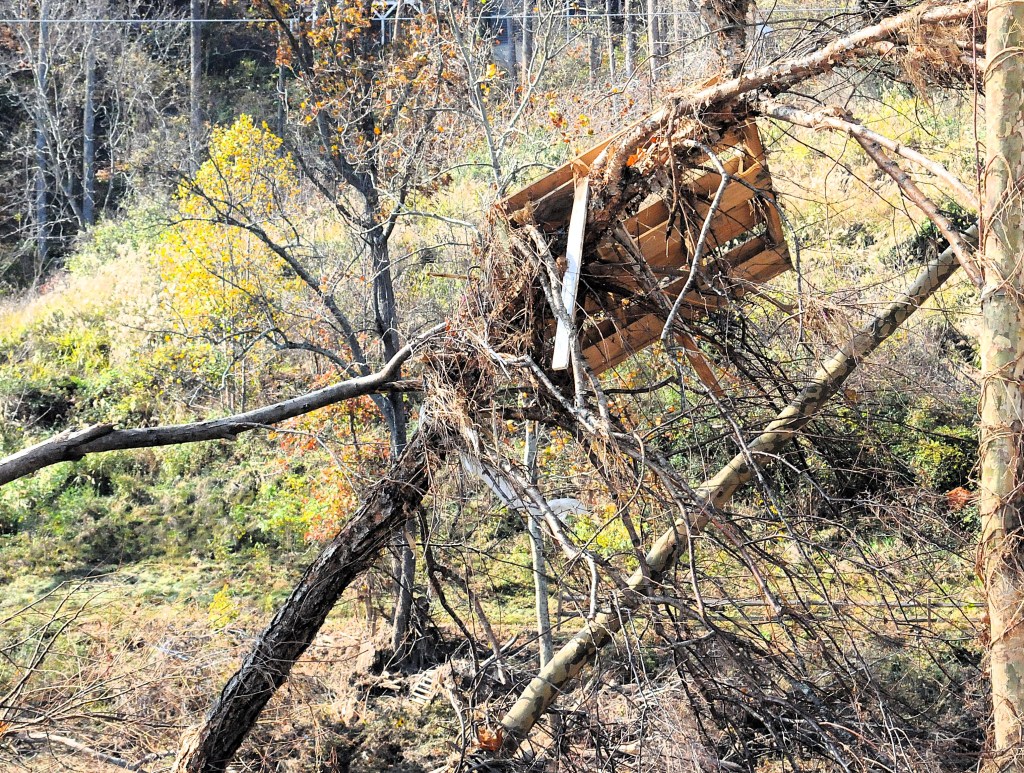

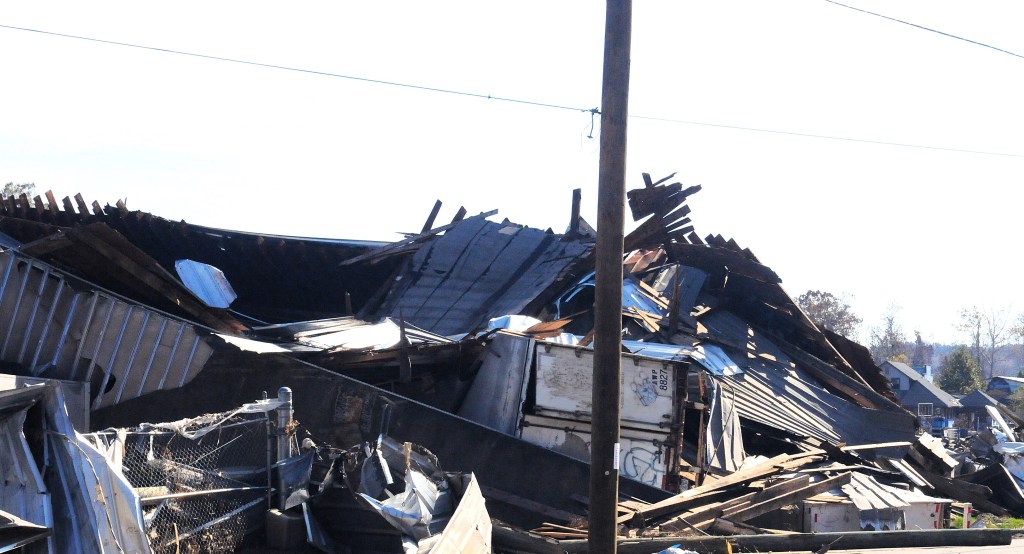

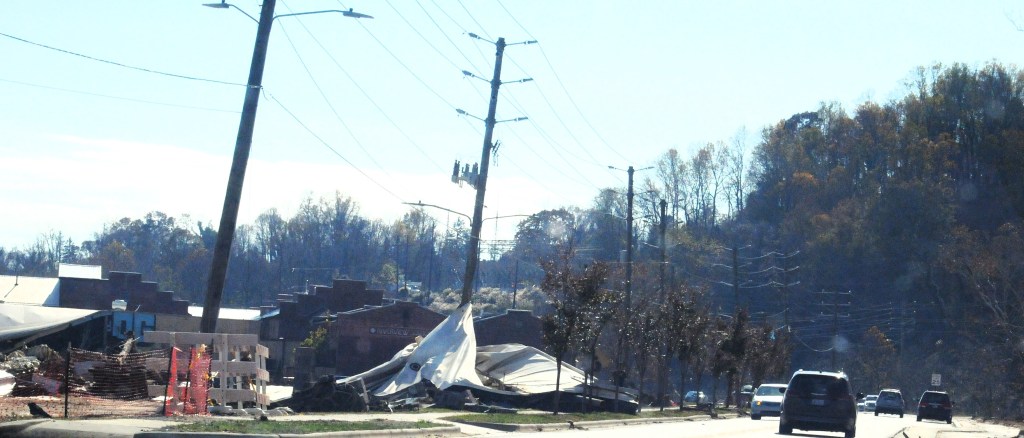
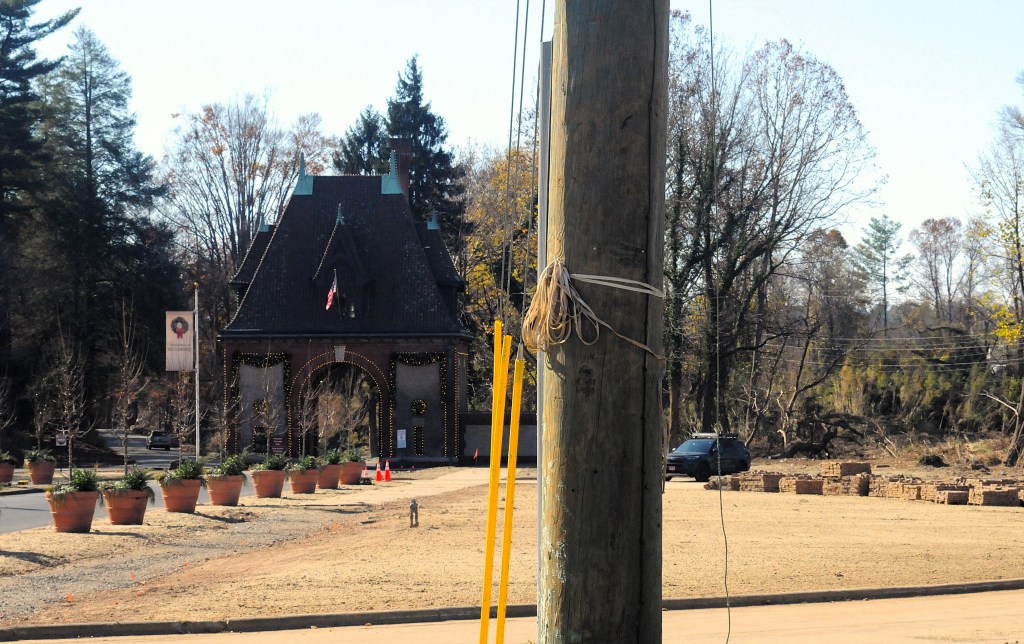

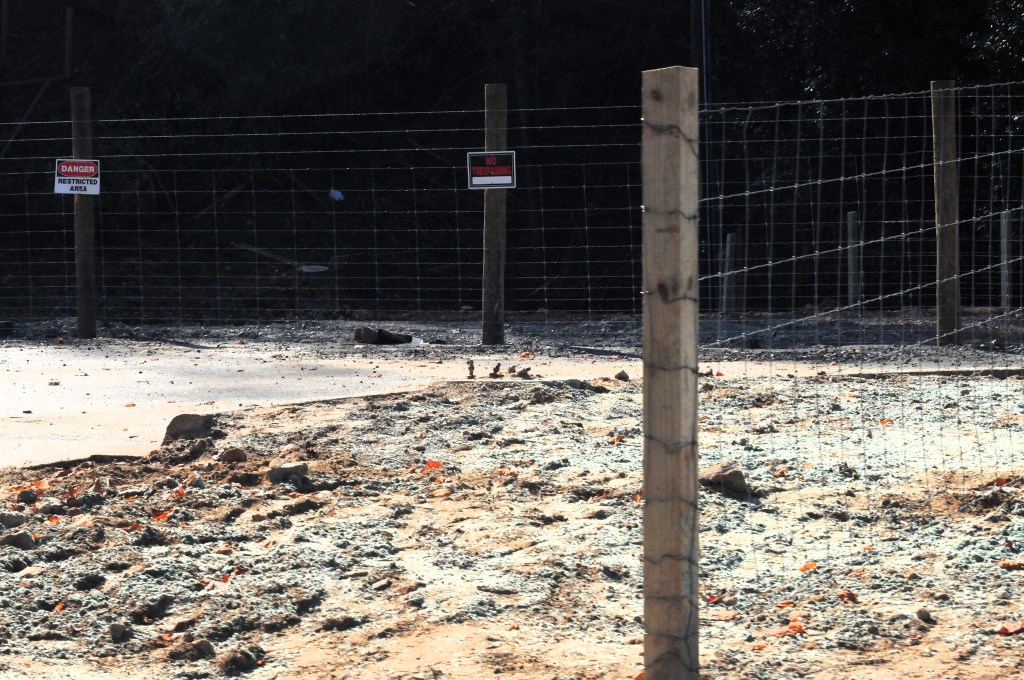
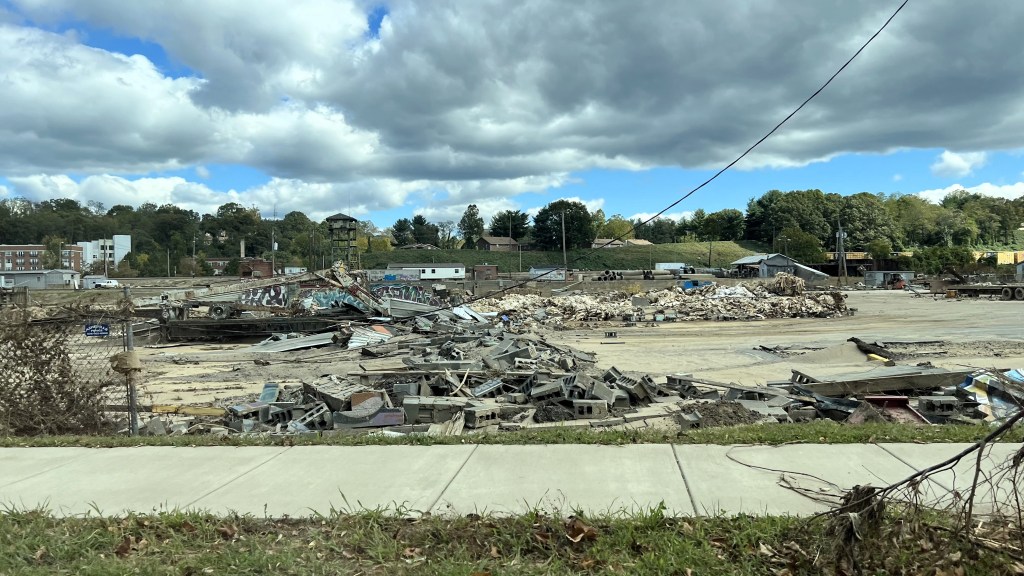
We toured with heavy hearts a landscape forever changed. Historic Biltmore Village also sustained heavy damage and had been cordoned off, but what we observed from the road were signs of cleanup and rebuilding among the ruins, already.
In the historic South Slope neighborhood where we tried to get a table at this James Beard award-winning restaurant (the wait was too long and the restrooms were closed), we observed massive non-potable water vessels out on the sidewalks for the nearby residents to take buckets for flush water. Businesses are open, and people are out and about—perhaps not advisable, as my kid explained there are still warnings about air quality from the toxic mud, now dried up and sending particulate matter airborne—but the situation on the ground is rough.
“Asheville will be okay,” opined a friend of David’s who lives there but works in the devastated community of Burnsville, roughly 35 miles to the northeast.
It takes courage to stick it out, and we saw evidence of that everywhere.
Say it out loud, again and again. However many times it takes. Asheville will be okay, and okay will lead to better, and then what’s next is up to the good people of Asheville.
I suggest renaissance has a nice ring to it.
 Carolina Thinklings
While this was heartbreaking as someone who lived in the Asheville area for 9 years and loved it with all my heart, you reminded me how resilient the people are. They will make it through the darkness. It will never be the same, but it will be. Your writing always speaks to my heart, Deb. Thank you. I hope to get to see you sometime now that we are back in North Carolina. ❤️
LikeLike
Thank you so much, Denise, and yes, Asheville will prevail. Yes, please, let’s somehow see each other now that we live in the same state~ ~D
LikeLiked by 1 person
That is quite the destruction. I’m glad the sense of hope and the drive to rebuild is present!
LikeLike
What a terrible and widespread disaster – hard to imagine the time line for their recovery! Love tou
LikeLiked by 1 person